

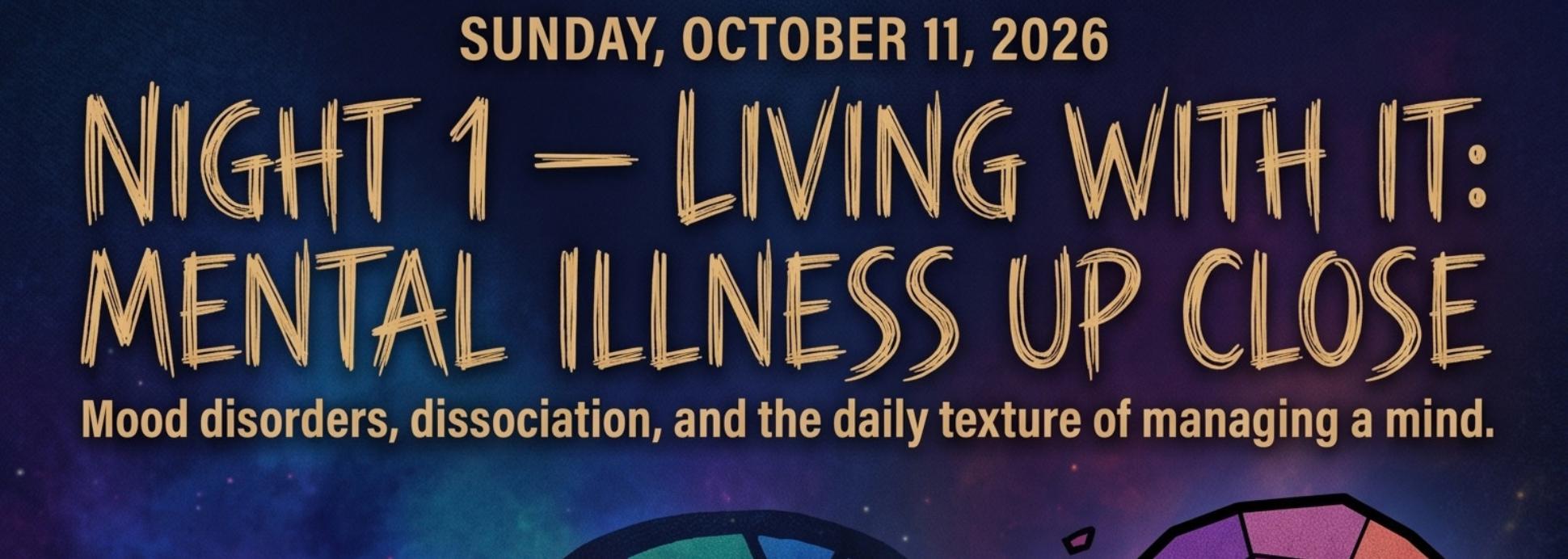


Mood disorders, dissociation, and the daily, unglamorous work of managing a mind, told through people actually living inside these conditions rather than observing them from outside. It moves from isolation and burnout toward connection, closing on memory and music rather than diagnosis.
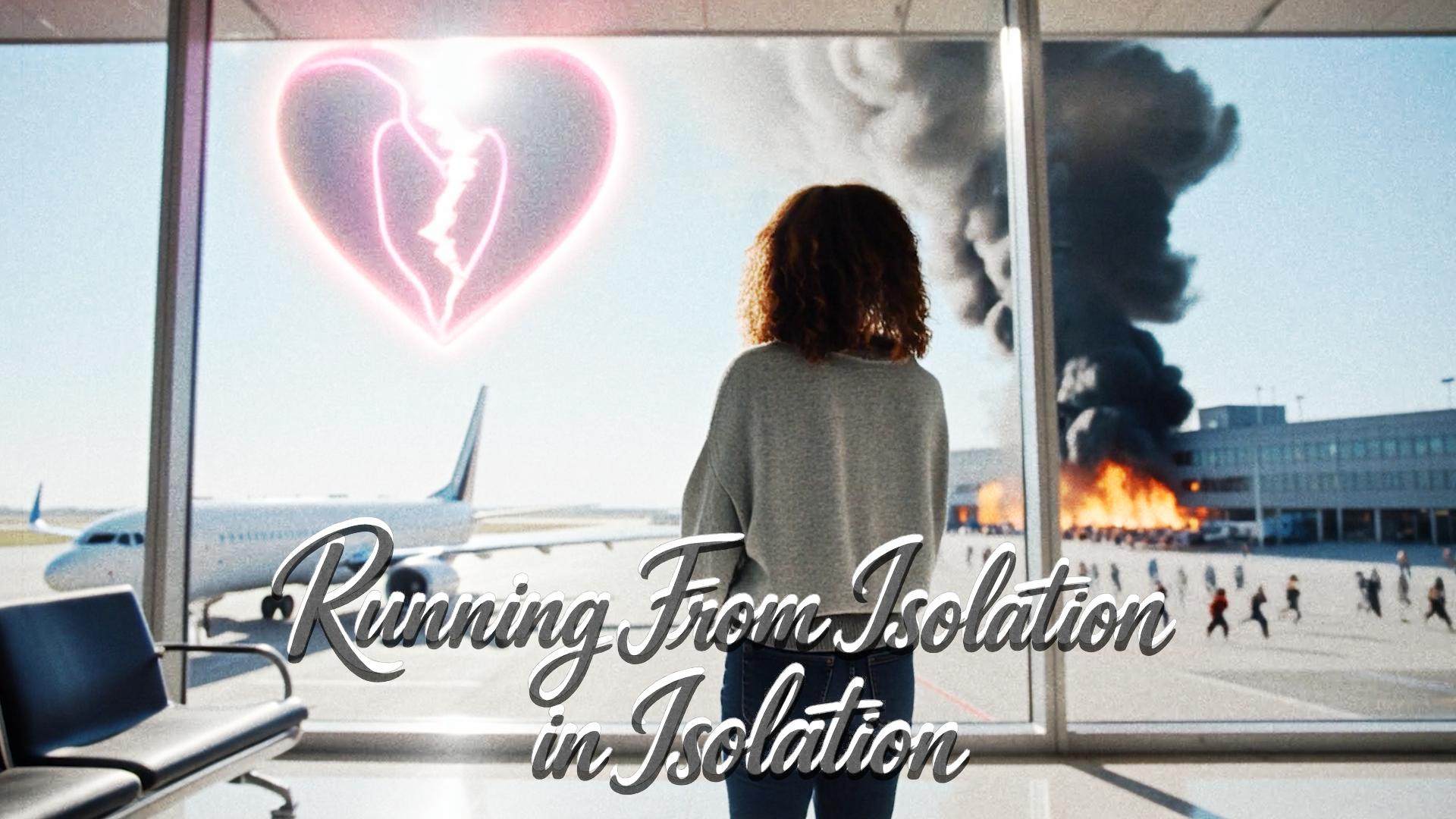
Running From Isolation in Isolation
Title: Running from Isolation in Isolation Logline: An intimate look at the exhaustion of "performing" wellness while drowning in the weight of a past that refuses to stay packed away. Description: This experimental short film serves as a visual diary of a mental health crisis. Utilizing a blend of dreamlike symbolism and fast-paced editing, it captures the "mountainous baggage" of depression and the betrayal of self-trust. It is a story of a woman recognizing her own red flags while standing in the middle of a burning life, desperately seeking a destination that feels like home.
1 minute
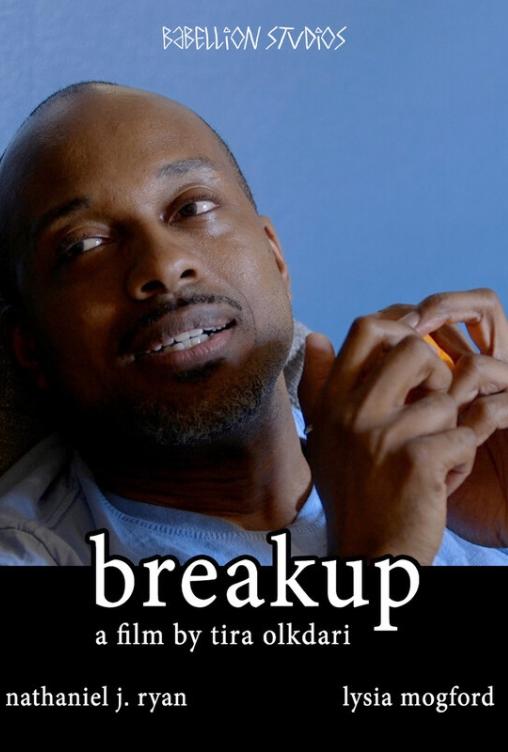
breakup
An improvised scene where Nathaniel tells his therapist about his breakup.
3 minutes
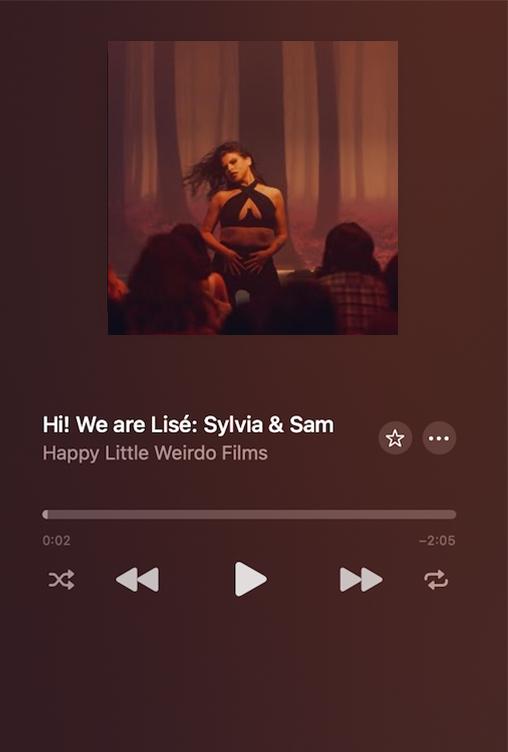
Hi! We are Lisé: Sylvia & Sam
A woman with Dissociative Identity Disorder gets in touch with a long lost part she thought trauma had destroyed.
Dissociative episodes are often a matter of slipping away for a moment and not knowing how I got where I wound up. Trauma causes the mind to shield the self from truths that are too painful to deal with.
After years of trauma therapy, the walls between my parts are crumbling, and my hidden parts are starting to feel safe enough to reemerge and become open sides of myself.
4 minutes
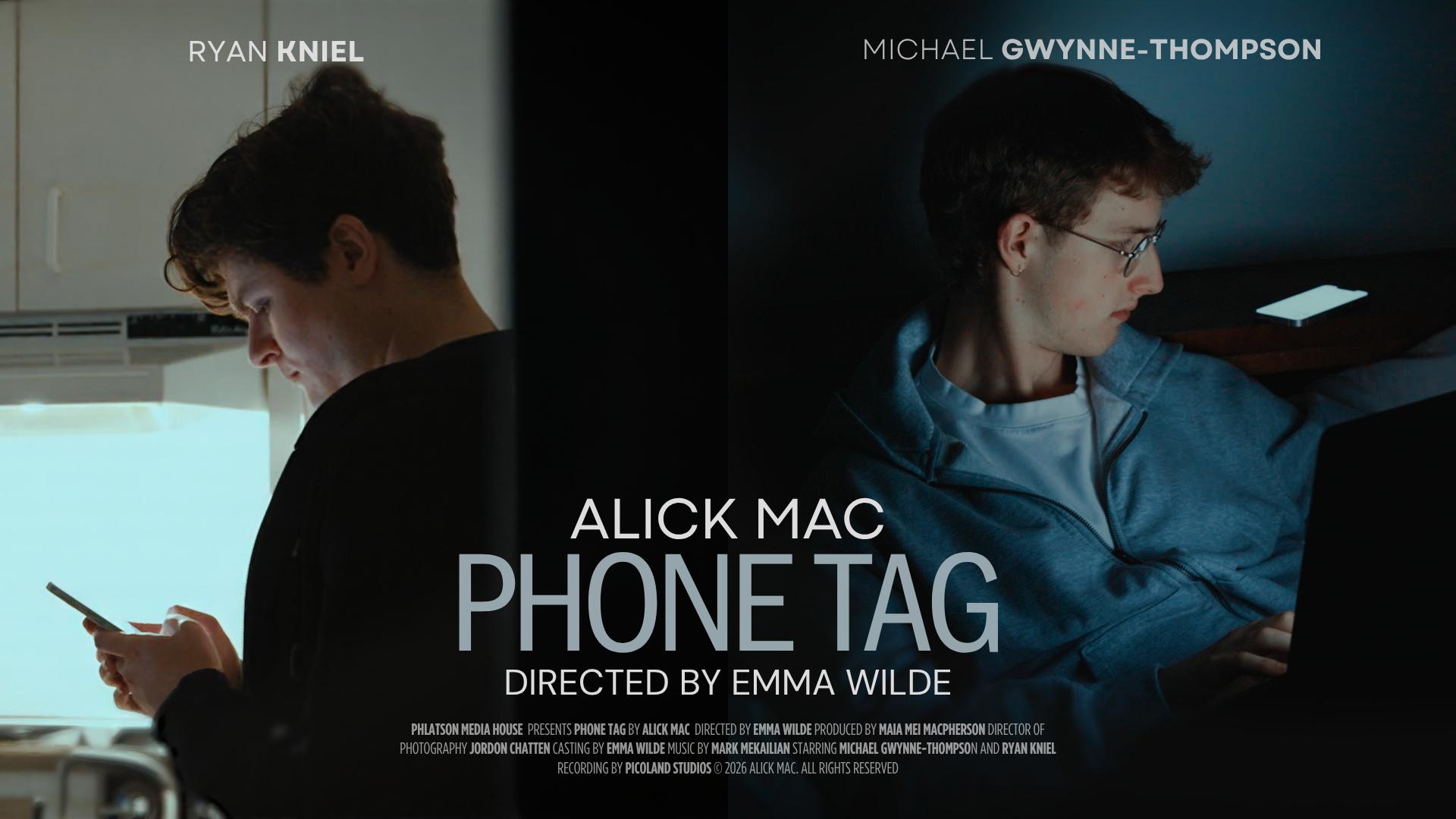
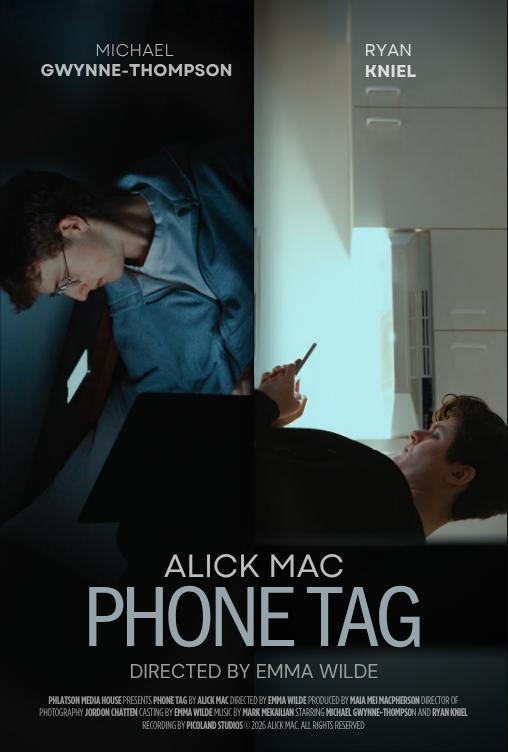
Phone Tag
The lifelong friendship of two young men is tested as they each struggle in silence. Texts they exchange and the messages they type and delete reveal what they cannot bring themselves to say. Their efforts to hide their pain unravel after a tragedy exposes the cost of their silence.
6 minutes
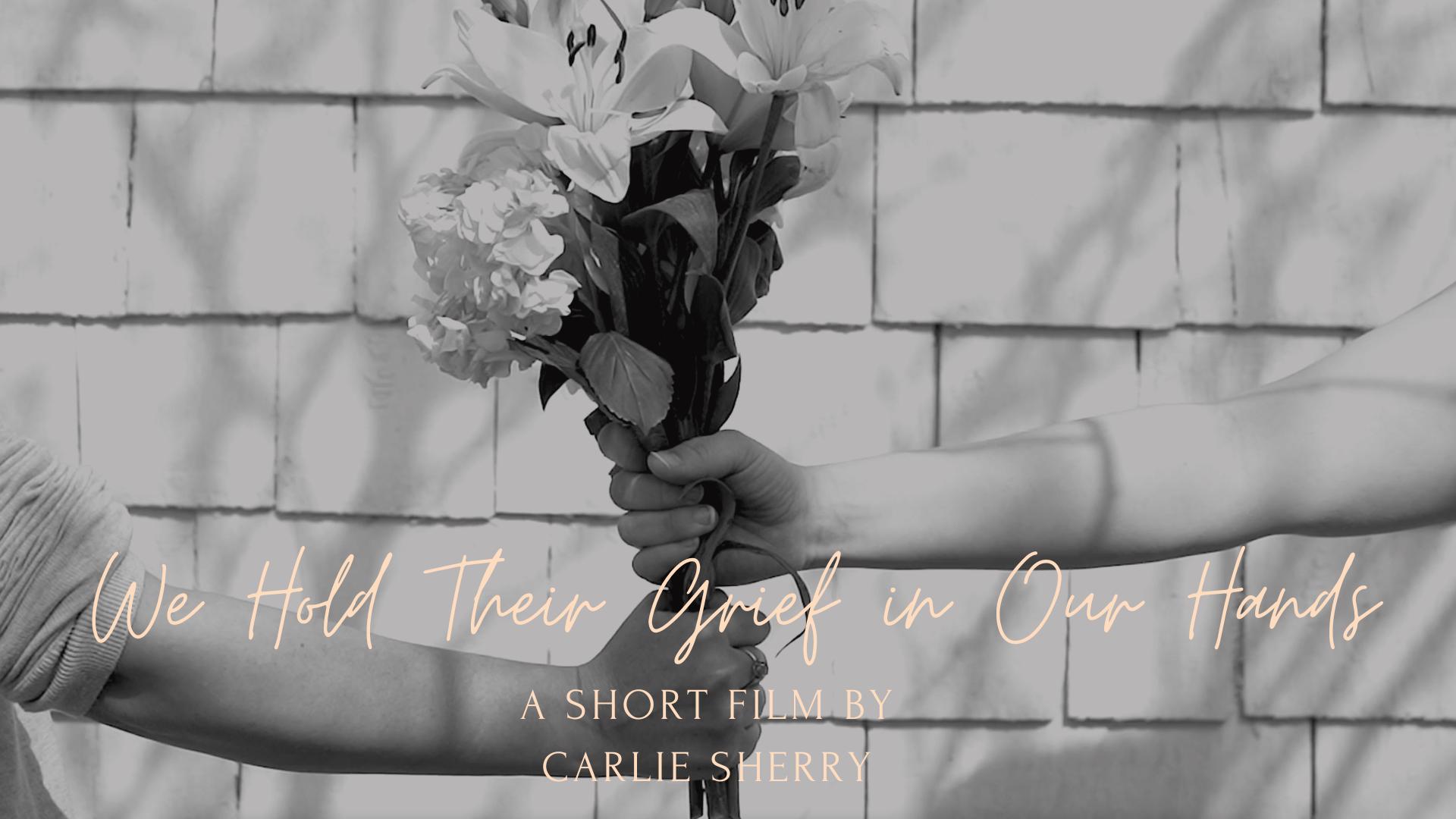
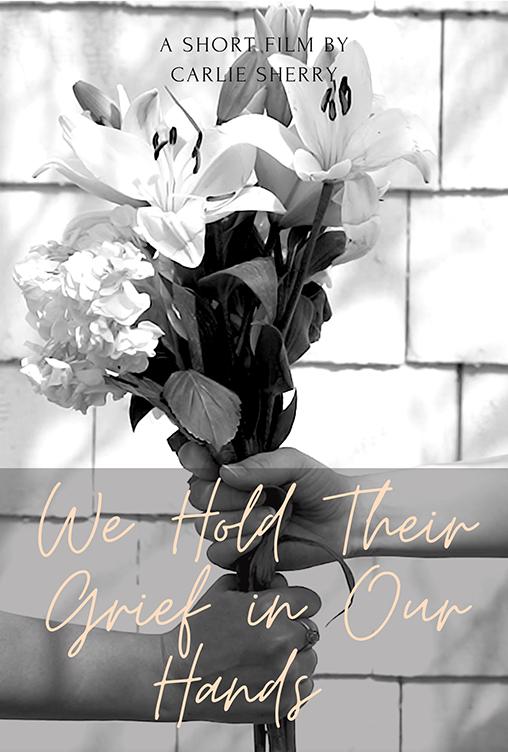
We Hold Their Grief in Our Hands
We Hold Their Grief in Our Hands; a video work made in response to processing my fathers death. I speak to my father one last time. Laying bare the vulnerabilities of grief now that he is gone. This work examines societal norms around mourning, what it means to hold space for another's sorrow, and how we honor those we've lost, not only through memory, but through our instinct to protect who they were and not who they became.
7 minutes
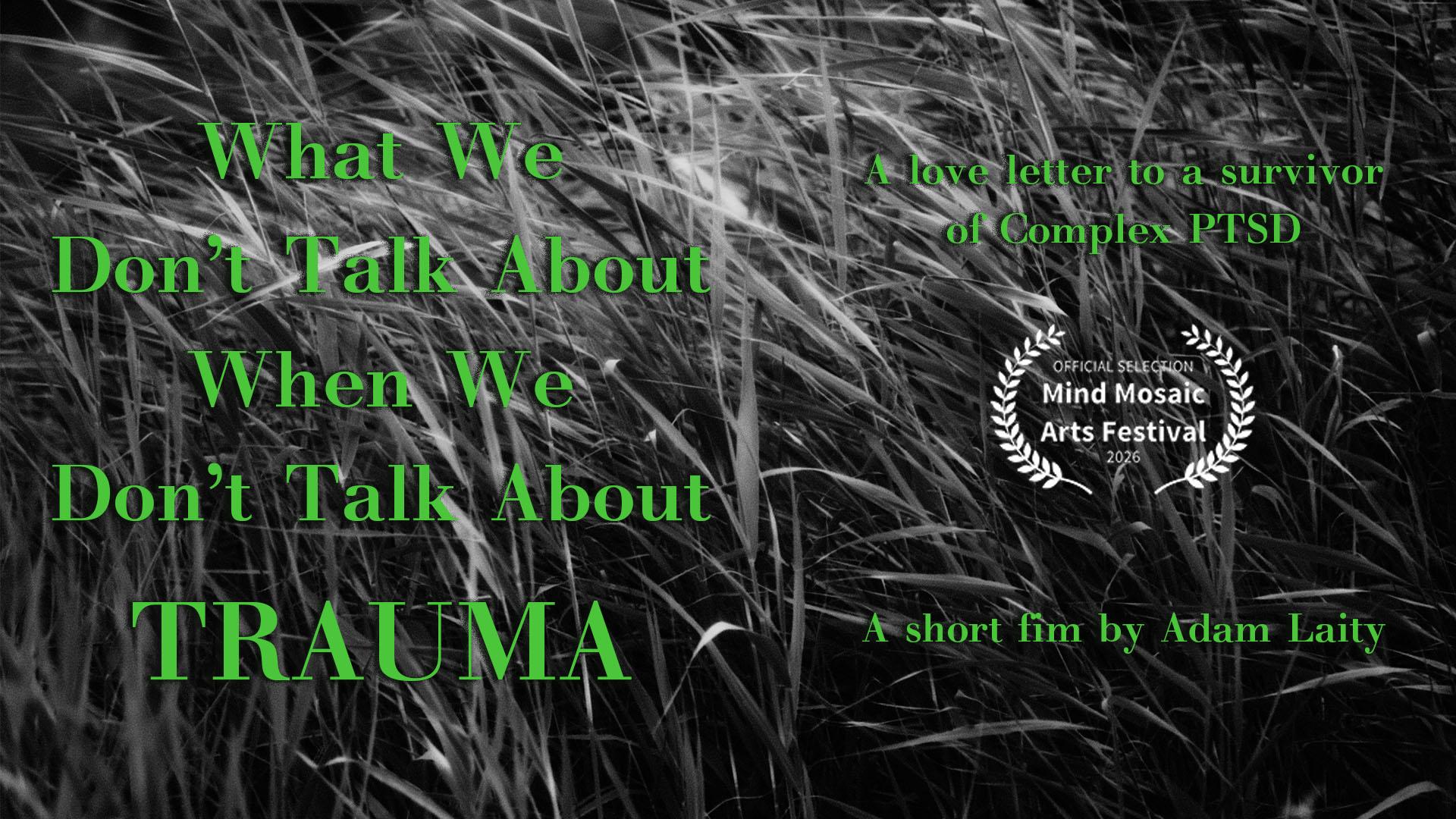
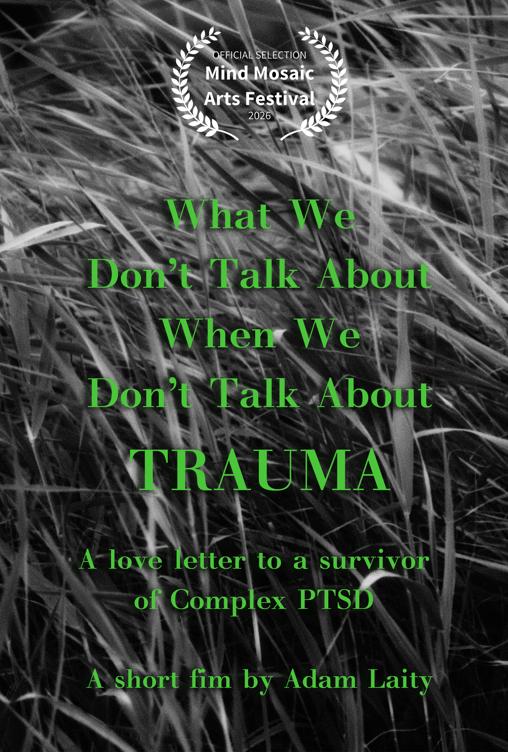
What We Don't Talk About When We Don't Talk About TRAUMA
What We Don’t Talk About When We Don’t Talk About TRAUMA is a love letter to someone coming to terms with the symptoms of Complex PTSD, made by someone with a lived experience of CPTSD. It is a personal and deeply subjective short film that encourages hope, nature connectivity and gives grammar to a condition that is both new and little understood.
This film is a continuation of work by the filmmaker to engage with their own mental health journey through producing work that engages deeply with nature. In this way the cinematography becomes a therapeutic practice.
The aim of the filmmaker is that the film raises awareness of CPTSD, helps give people struggling with symptoms a voice, and ultimately provokes conversations and hopefulness about this difficult subject.
9 minutes
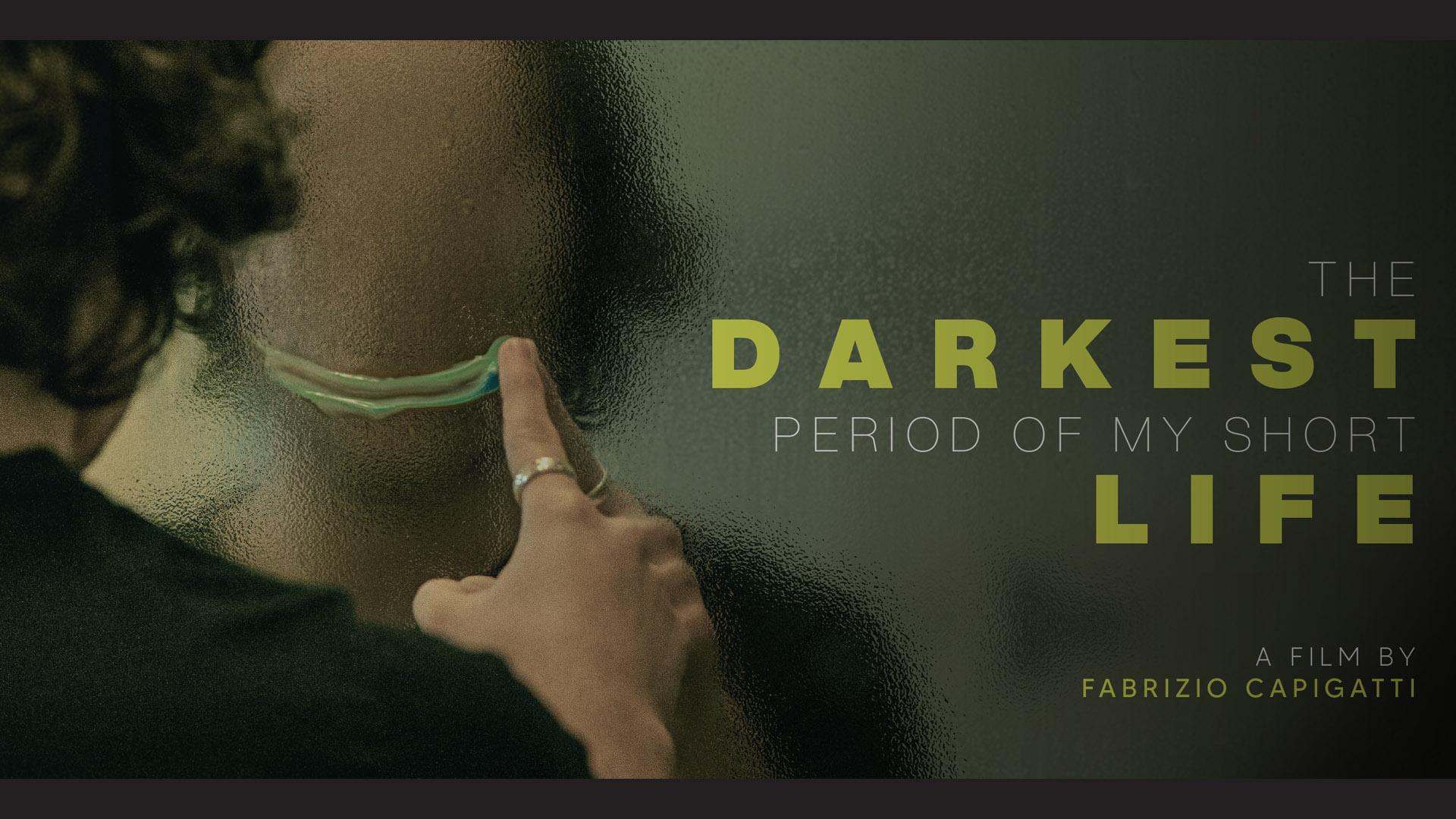
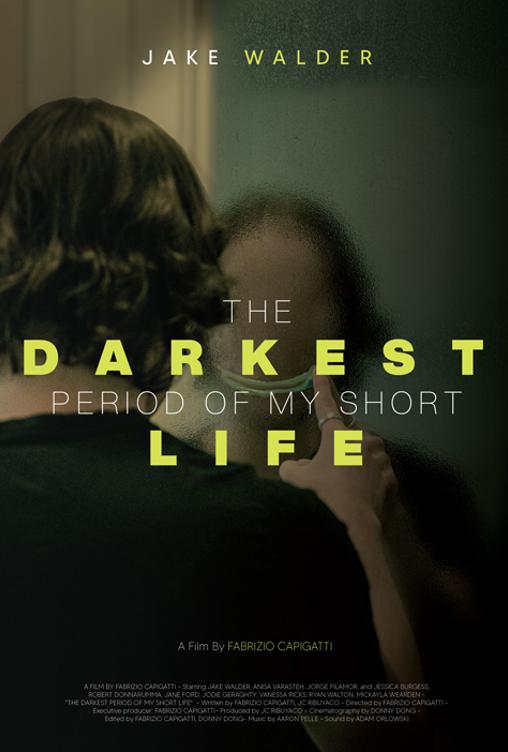
The Darkest Period of My Short Life
MATT had been a dreamer since he was 12. He wanted to become a musician, he played guitar, he founded a band. Growing up, day by day, he lost all his dreams and expectations.
Matt doesnХt have a face anymore and is living his life as a loop: nothing can make him feel alive. He is no longer able to taste any food, he is not able to feel any emotion, even sadness.
As the years went by, the passing of time became unbearable, and Matt thinks of being going. Through the tough way of counselling, Matt, with many difficulties, finds a counselor that helps him continue on living.
13 minutes


The Mental Match
Finding the right therapist for you. From the studio that brought you "Skate at Your Own Risk" and "The Uprooted," ROAR Studios presents: "The Mental Match," a new documentary film from director Silas Gobat.
15 minutes
Mind Unseen
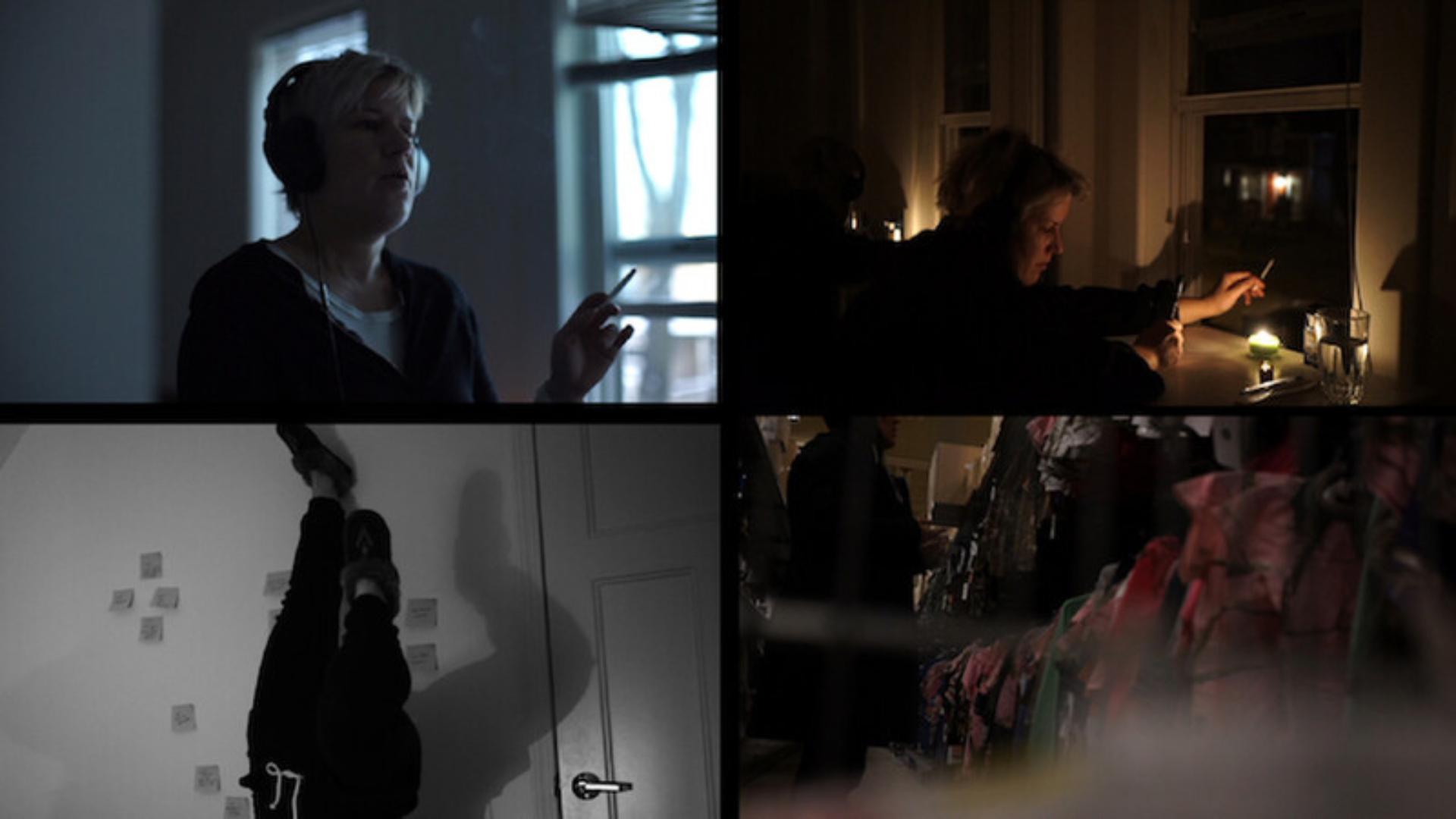
Drawing a parallel between bi-polar illness and creativity Mind Unseen explores the different angles of this notion. Showing footage of varying stages from manic episodes to depths of depression the viewer is brought into the mind of a person with bi-polar.
17 minutes
Absent of Me
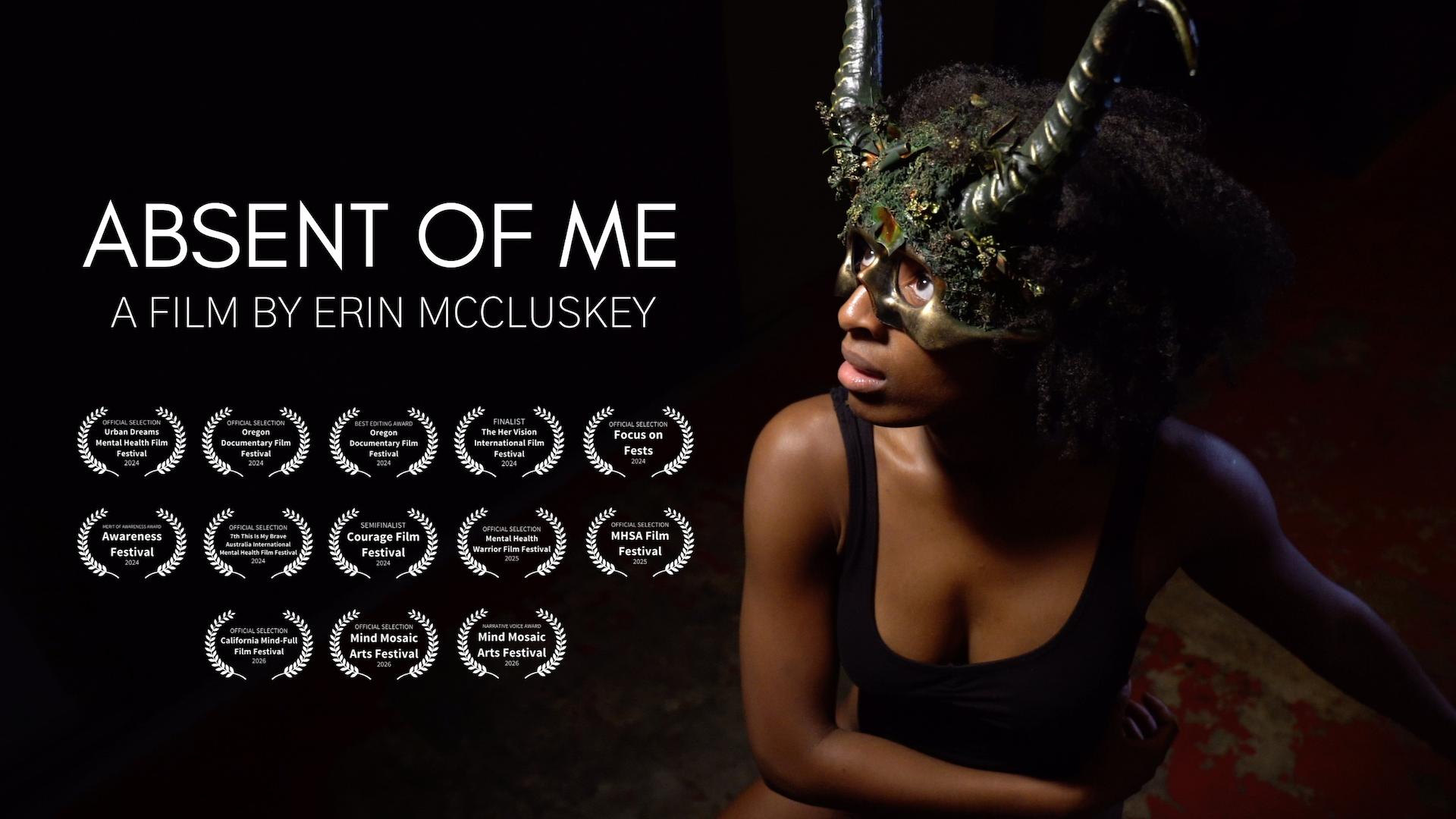
Absent of Me is a short documentary that offers a look into the lives of nine individuals across five U.S. states and three countries who live with a little-known mental health condition known as depersonalization disorder. With expert insight from medical writer Jeffrey Abugel, audiences will gain a clearer understanding of this largely unknown and under-researched condition.
25 minutes
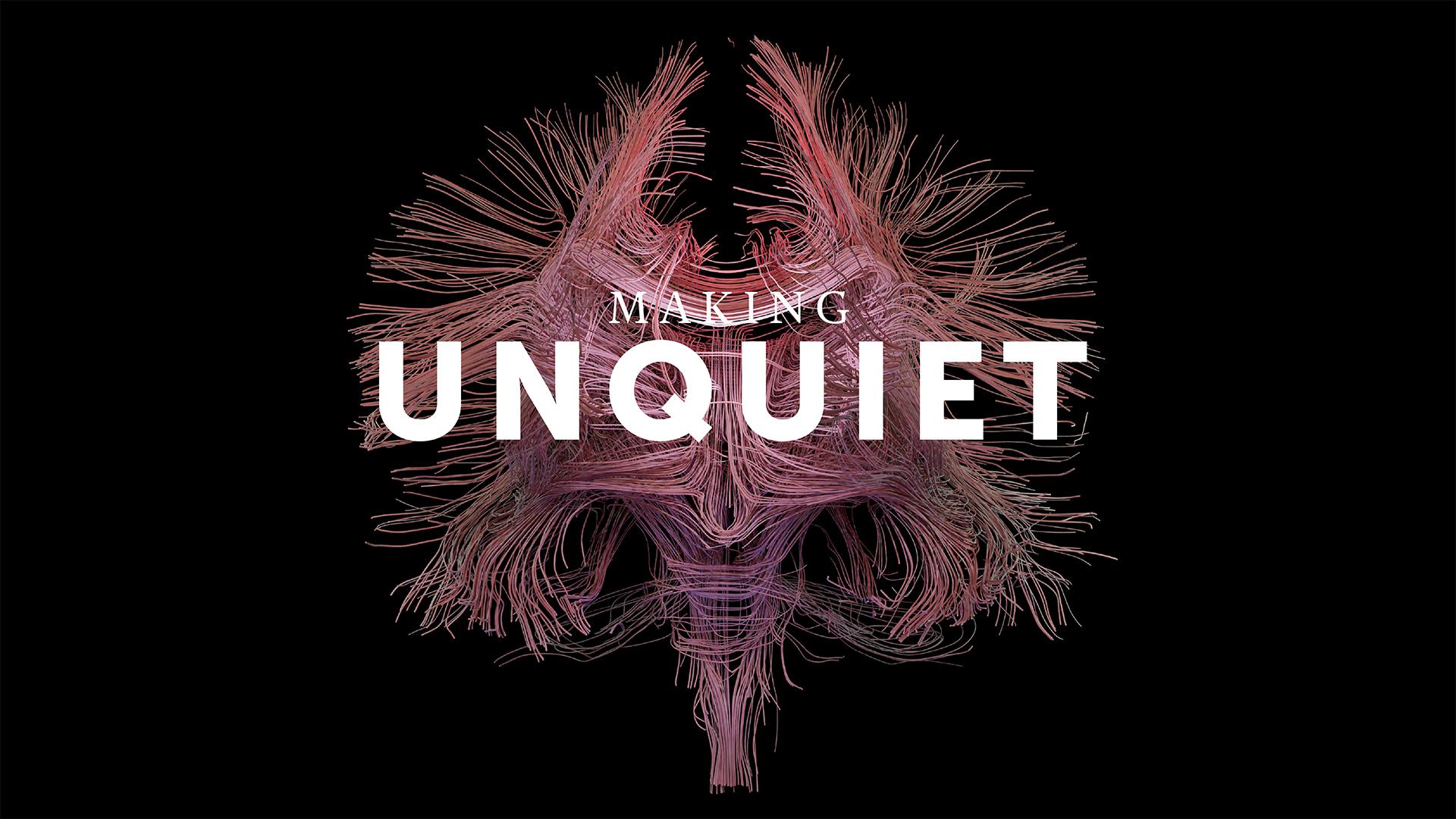
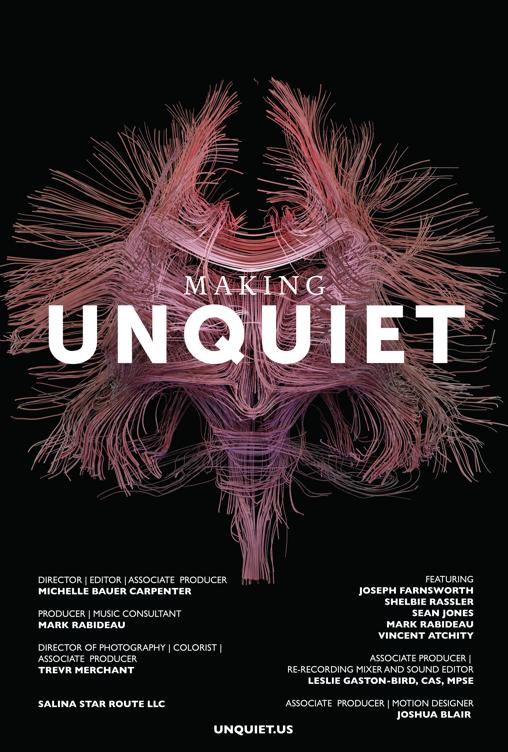
Making Unquiet
Making Unquiet
What if music could help us feel what others live through?
Making Unquiet is a powerful new film that explores the emotional landscape of bipolar disorder and the profound gaps in understanding that often leave it undiagnosed for years. Through a moving blend of interviews, original music, and visual storytelling, the film invites audiences into a deeply human experience shaped by both struggle and resilience.
At the heart of the film is an extraordinary creative collaboration featuring world-renowned jazz drummer Joe Farnsworth and composer Shelbie Rassler. The film features the making of the musical composition Unquiet, which becomes the films emotional backboneСtranslating the highs and lows of bipolar disorder into sound. Each musical motif mirrors the lived experience of the condition, offering audiences a visceral understanding that words alone cannot convey.
Blending artist and expert interviews with live performances, animation, and dynamic visual design, Making Unquiet takes viewers on a cinematic journey through the extremes of mania and depression. Moments of intense energy, euphoria, and impulsivity collide with periods of deep isolation, sadness, and hopelessness revealing not only the complexity of the disorder, but also its impact on relationships, identity, and daily life.
Bipolar disorder affects an estimated 46 million people worldwide, yet it remains widely misunderstood and often underdiagnosed, with an average care gap of over a decade. Making Unquiet seeks to change that offering not just awareness, but empathy. By connecting science, art, and lived experience, the film creates space for conversation, recognition, and hope.
25 minutes
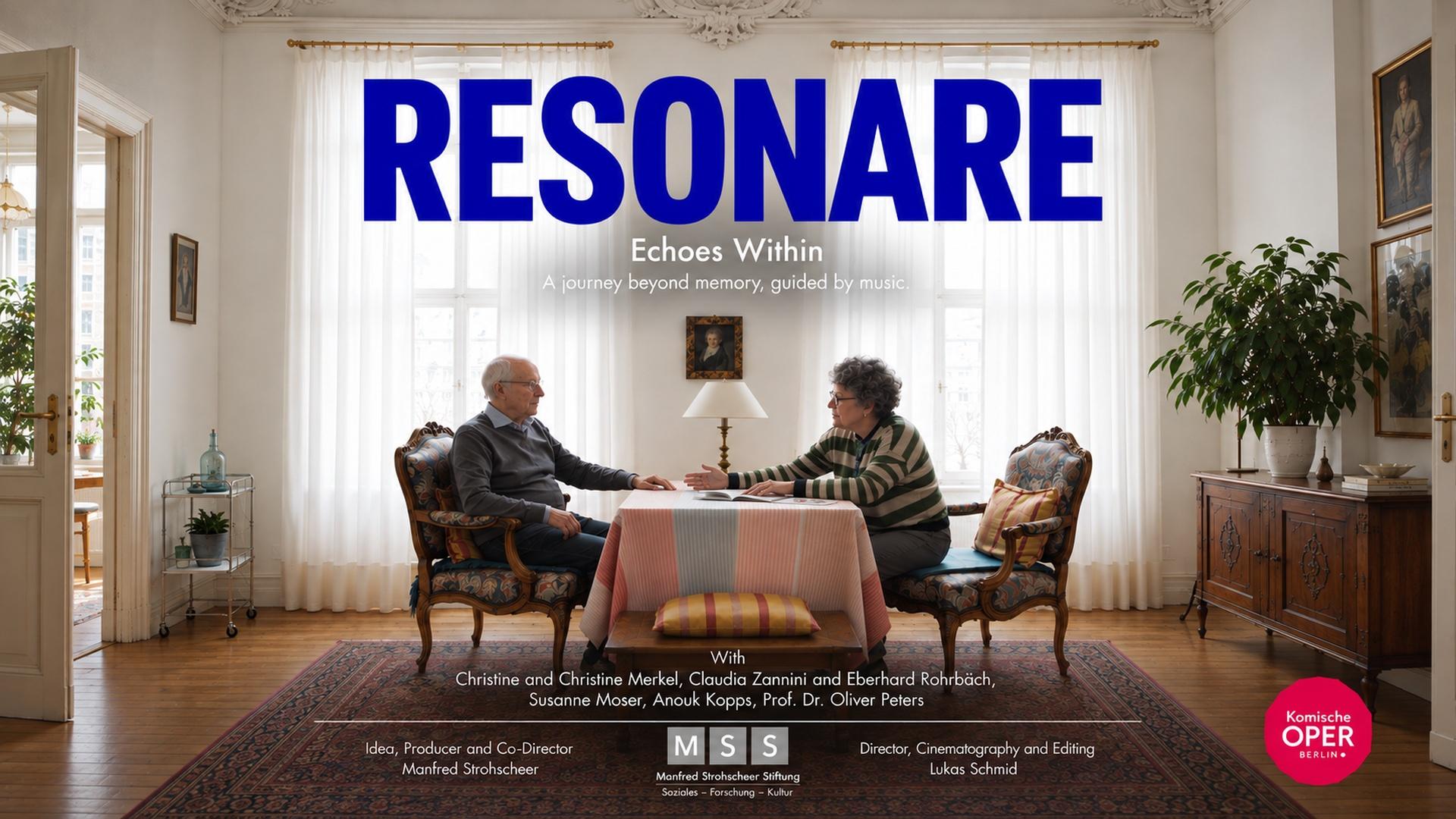
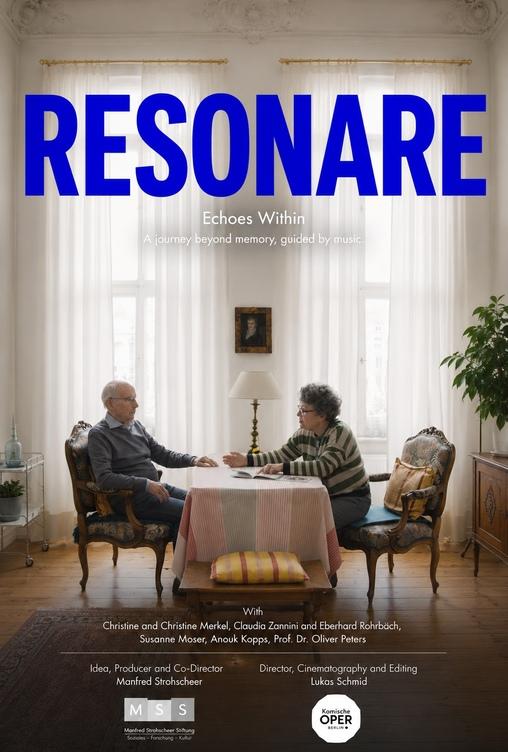
RESONARE - Echoes Within
Resonare - Echoes Within is a documentary about the impact of music on people living with dementia and their families. At the Komische Oper Berlin, a dedicated music therapy program creates spaces where participants can access emotions and memories beyond cognitive decline. The film also follows their relatives, for whom music can reopen channels of connection that seemed lost. It shows how shared musical experiences can restore moments of closeness С to oneself and to each other С even as memory fades.
30 minutes

